

Get quote
Get Free Consultation!
We are ready to answer right now! free consultation.
Email:Trista55555@outlook.com
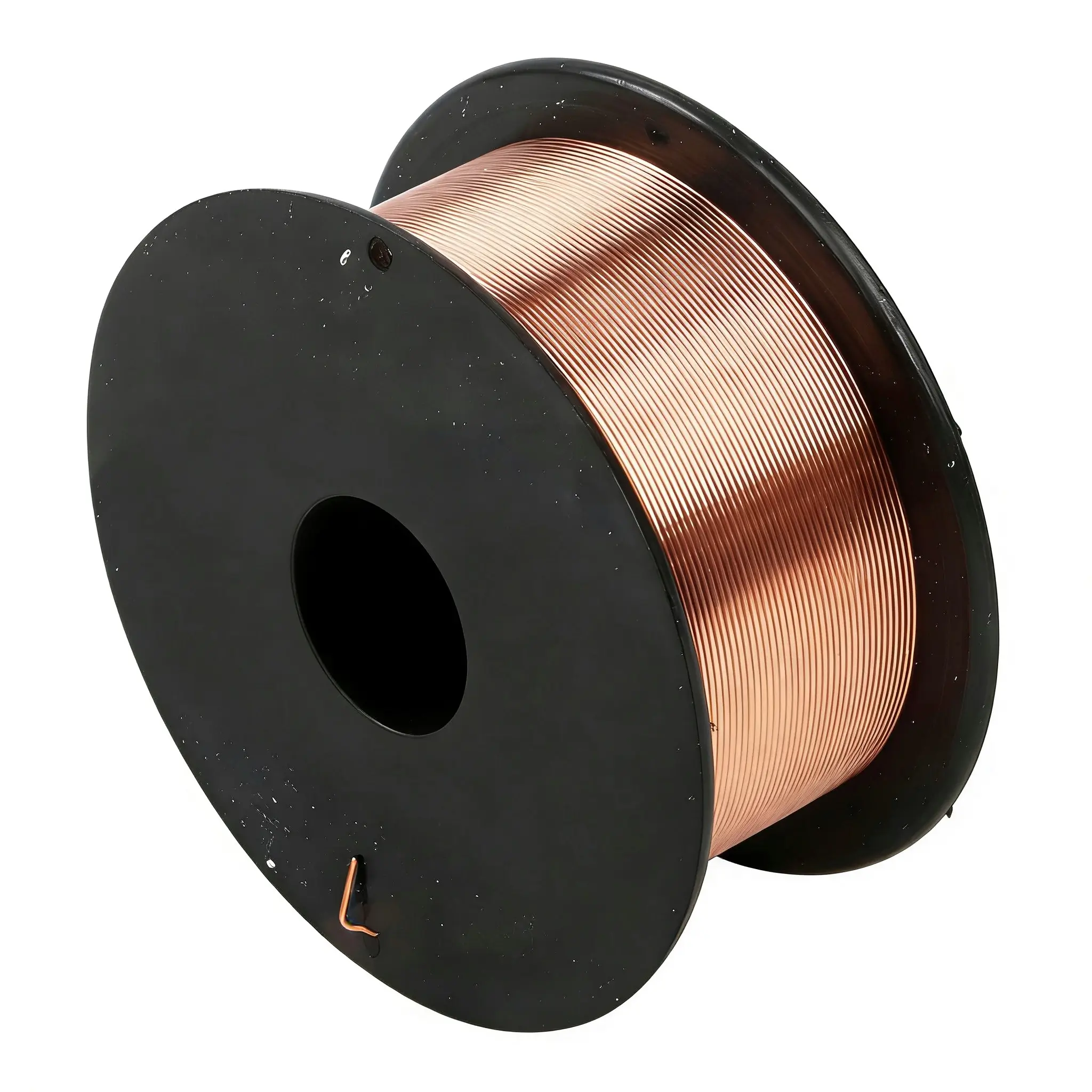
MIG WELDING WIRE is a core welding consumable for fabrication shops, distributors, repair teams, and project buyers that need stable wire feeding, clean weld appearance, and repeatable welding performance. A practical buying decision starts with the base metal, wire grade, diameter, spool packaging, shielding gas practice, and the production environment where the wire will be used.
MIG welding wire is a continuous solid filler metal used in gas metal arc welding. It feeds through the welding gun at a controlled speed, melts into the weld pool, and forms the joint with the help of shielding gas. For production teams, the right wire is more than a consumable. It affects arc stability, spatter level, bead appearance, rework rate, and the total cost of every welded part.
International buyers usually compare wire grade, diameter, spool weight, surface coating, winding quality, documentation, and delivery reliability. A wire that looks acceptable on the outside can still cause feeding trouble if the winding is loose, the diameter tolerance is inconsistent, or the surface is contaminated. That is why distributors and factories should evaluate both welding performance and supplier process control.
Tianjin Bohai Bay Welding Precision Technology Co., Ltd. focuses on welding electrodes and welding wires for global buyers. The website highlights factory-direct supply, CE/ISO/AWS-related quality capability, flexible MOQ, OEM/ODM service, and export response for customers who need stable long-term sourcing rather than one-time random stock.
The main MIG wire categories on this site include carbon steel MIG wire, stainless steel MIG wire, and aluminum alloy MIG wire. Each group serves a different base metal and application environment. Related product pages can be reviewed here: primary product category, related welding consumables, and application or contact information.
| Buyer Checkpoint | What to Confirm | Why It Matters |
|---|---|---|
| Grade and specification | Match the filler metal to base metal, process, and project standard | Wrong grade selection can reduce weld reliability and increase rejection risk |
| Diameter and packaging | Confirm wire diameter, electrode diameter, spool weight, carton, drum, or pallet needs | Correct packaging improves machine compatibility, storage, and distribution efficiency |
| Surface and feedability | Check coating, cleanliness, winding quality, and diameter tolerance | Stable feeding and arc behavior reduce downtime and rework |
| Documentation | Ask for product data, certificates, batch records, and export documents when needed | Good documentation supports customs clearance, customer approval, and project files |
A welding consumables supplier should be judged by consistency, not only by price. Buyers should ask whether each batch can keep stable chemistry, practical packaging, clean appearance, and repeatable welding performance. For distributor business, consistency protects your local reputation because customers expect the next shipment to perform like the previous one.
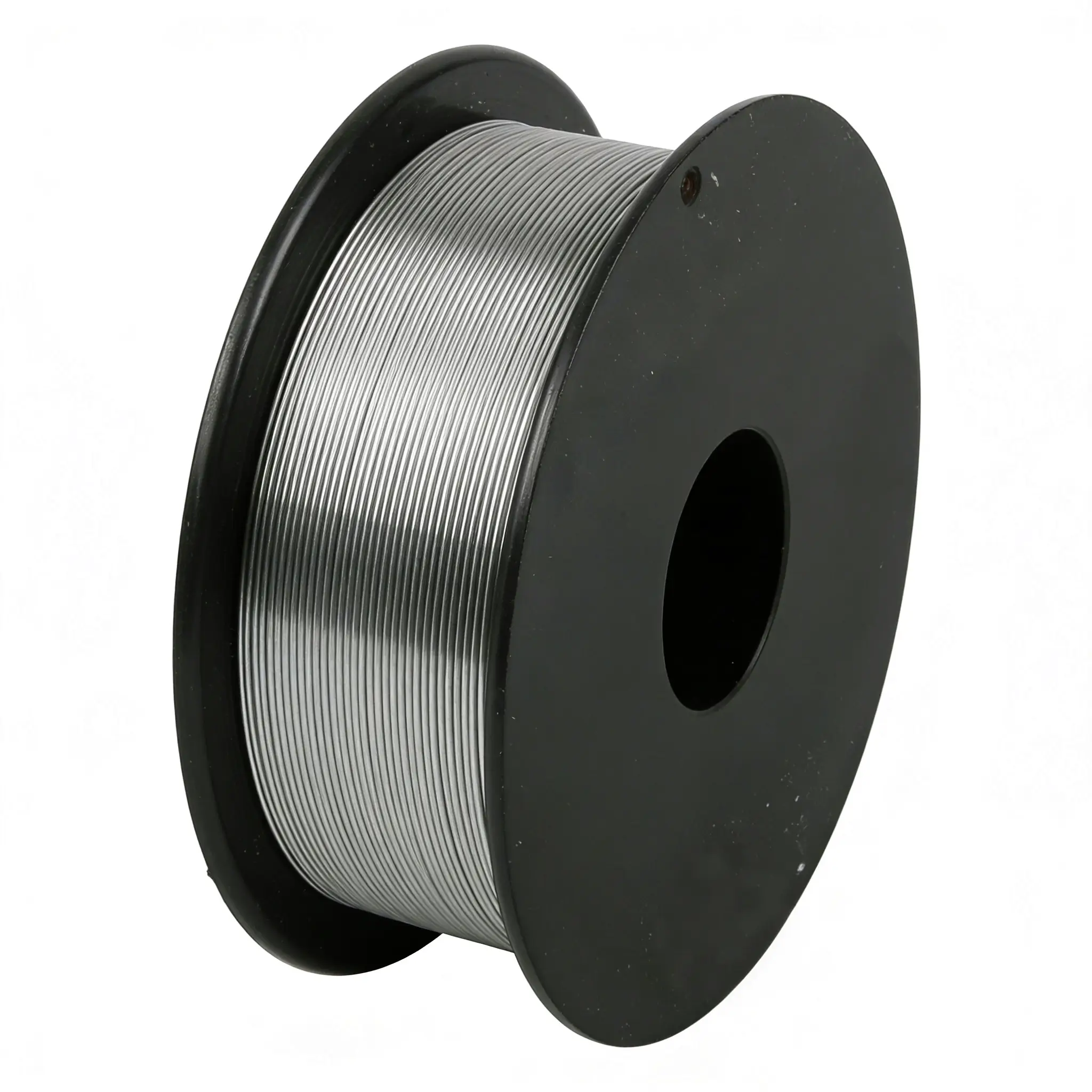
Common applications include steel structures, machinery frames, ship repair, vehicle components, containers, pressure-free fabrication, stainless steel equipment, food machinery, aluminum parts, and general maintenance. If the job requires outdoor manual welding or low-hydrogen electrodes, welding electrodes may be a better match than solid MIG wire.
For international sourcing, the buying decision should include both technical performance and commercial practicality. MOQ, lead time, label customization, carton design, pallet loading, certificate availability, and destination port information can all affect the final landed cost and customer experience.
Quality control should cover raw material selection, production process, finished product appearance, packaging inspection, and batch traceability. For MIG wire, smooth winding and clean surface are critical. For electrodes, coating uniformity, dry storage, and package sealing are important. When products travel internationally, packaging strength is part of quality, not an afterthought.
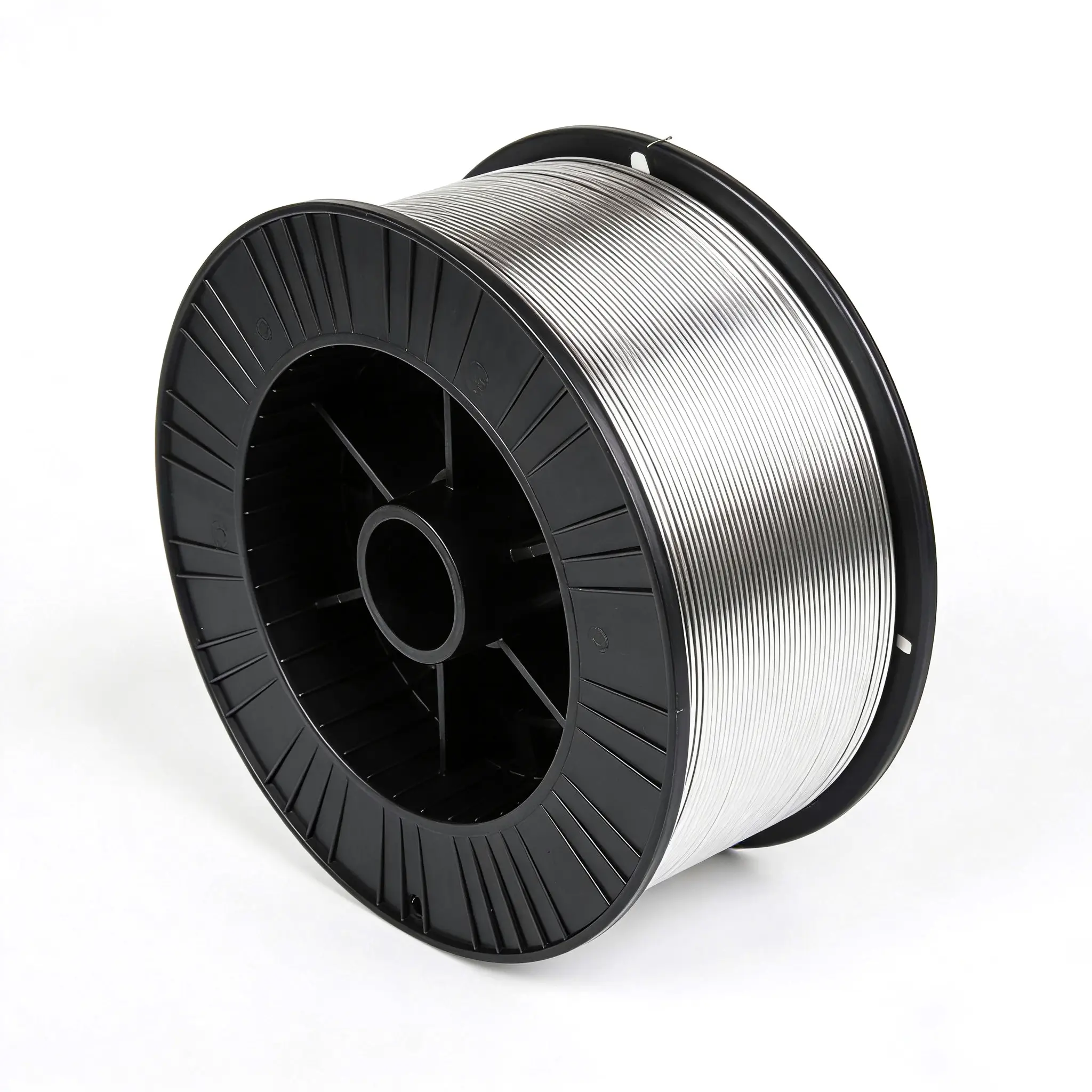
Our factory background, product range, and export service are built for buyers who need repeatable supply. You can learn more about the company on the About us page. The product range covers carbon steel MIG wire, stainless steel MIG wire, aluminum alloy MIG wire, carbon steel welding electrodes, and stainless steel welding electrodes.
Send the wire process, material type, diameter, spool weight, shielding gas and machine compatibility. If you already have a welding procedure, customer specification, or target market requirement, include it with the inquiry. Clear information helps the supplier recommend the correct product faster and reduces the risk of ordering a consumable that does not match the job.
Not usually. Welding consumables directly affect labor efficiency, rework, appearance, and customer acceptance. A slightly cheaper product can become more expensive if it causes unstable arc performance, feeding trouble, moisture problems, damaged packaging, or inconsistent batches. Buyers should compare total value, not only unit price.
A trial order lets your team test real welding performance before bulk purchasing. You can check arc stability, bead shape, spatter, usability, packaging strength, label details, and delivery communication. After the product passes internal testing, scaling to distributor stock or project supply becomes much safer.
If you are building a MIG wire purchasing plan, send the target base metal, wire diameter, spool size, shielding gas, order quantity, and destination port. Our team can help compare grades and prepare a practical quotation for trial or bulk supply.
MIG wire selection often starts with the base metal. These product pages and guides help buyers move from general selection to the right wire family.

We will answer any questions you may have about our online sales.
We are ready to answer right now! for a free consultation.
Email:Trista55555@outlook.com
I consent to the processing of personal data and agree with the user agreement and privacy policy
