

Get quote
Get Free Consultation!
We are ready to answer right now! free consultation.
Email:Trista55555@outlook.com
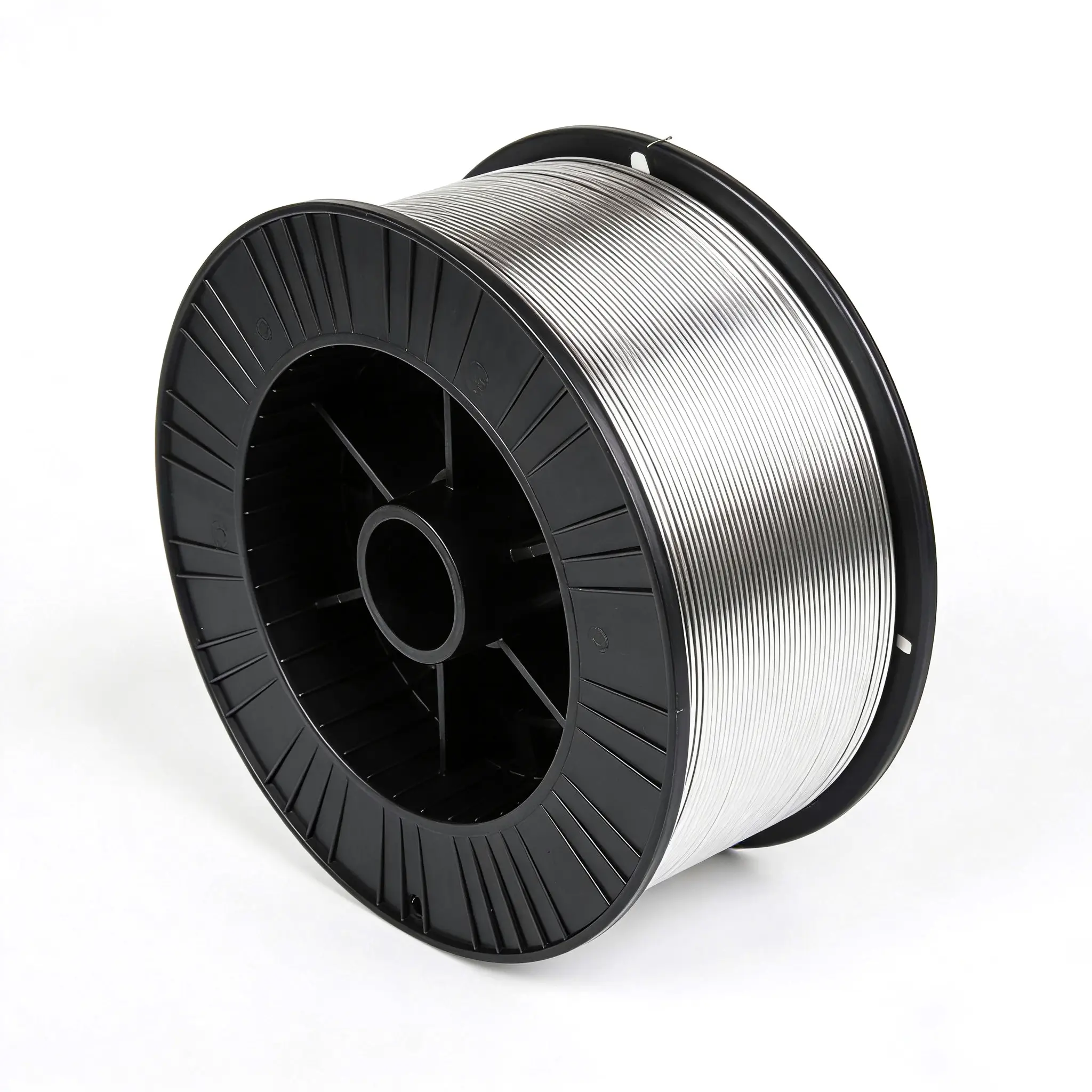
Aluminum MIG Wire Selection
ER4043 vs ER5356 Aluminum MIG Welding Wire is a real purchasing question for aluminum fabricators, distributors, and project buyers. Both wires are common aluminum MIG filler metals, but they are not interchangeable in every job. The better choice depends on the base alloy, required strength, crack sensitivity, finish requirements, and how the finished part will be used.
Often selected for smooth weld flow, lower crack sensitivity, and many general aluminum fabrication jobs, especially where weld appearance and ease of use are important.
Often selected when higher weld strength, magnesium-bearing aluminum compatibility, marine fabrication, or better anodized color match is required.
Tianjin Bohai Bay Welding Precision Technology Co., Ltd. supplies aluminum alloy MIG welding wire including ER4043 and ER5356 for global distributors and industrial buyers. These grades sit inside the same aluminum MIG wire product family, but they serve different production needs. Choosing the correct wire helps reduce cracking risk, improve bead quality, protect feeding stability, and avoid wrong inventory for customers who weld different aluminum alloys.
ER4043 is a silicon-alloyed aluminum welding wire. Its fluid weld pool can help with wetting and bead appearance, and it is widely used for many 6xxx-series aluminum applications. ER5356 is a magnesium-alloyed aluminum welding wire. It is often selected for higher strength requirements, many marine and transportation applications, and jobs where the finished weld may be anodized.
The right choice should not be made only by price or availability. Buyers should confirm the base metal, joint design, service temperature, corrosion environment, finishing requirement, and welding procedure. If the application is not clear, stocking both ER4043 and ER5356 can help distributors support a wider range of aluminum welding customers.
| Comparison Item | ER4043 | ER5356 |
| Alloy type | Aluminum-silicon wire | Aluminum-magnesium wire |
| Common reason to choose | Smooth flow and lower crack sensitivity | Higher strength and broader structural use |
| Typical applications | General aluminum fabrication, castings, many 6xxx-series jobs | Marine parts, trailers, tanks, frames, transport equipment |
| Buyer reminder | Confirm whether lower strength is acceptable for the design | Confirm service temperature and base alloy compatibility |
ER4043 is a practical choice when the welding job needs good flow, clean bead appearance, and reduced hot cracking tendency. Many fabricators like it because the weld pool is easier to control and the finished bead can look smooth. It is commonly used for aluminum castings, general aluminum structures, heat exchangers, frames, and many 6xxx-series aluminum components when the design allows it.
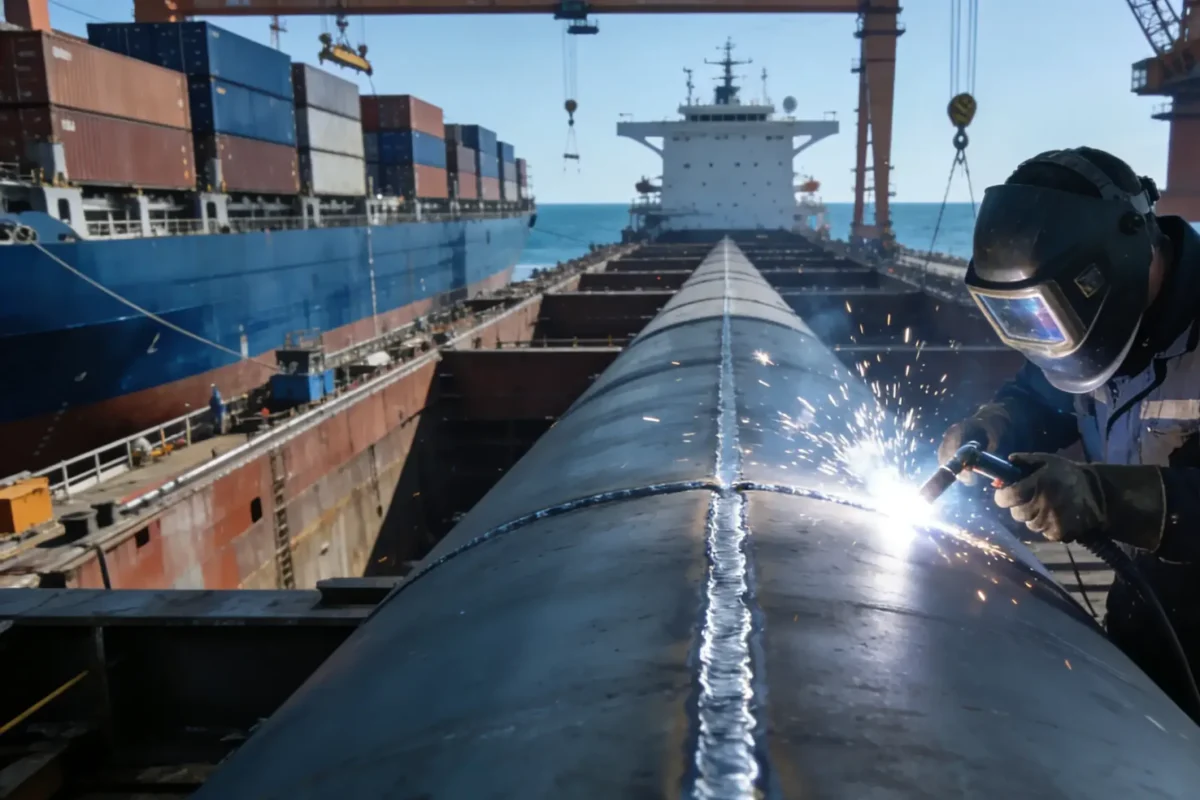
ER5356 is often preferred when the welded part needs higher tensile strength or when the application involves marine equipment, trailers, transport parts, storage tanks, or structural aluminum assemblies. It can also be a better choice where anodized color match is a concern. Because ER5356 contains magnesium, buyers should confirm the service temperature and base alloy before using it in every aluminum job.
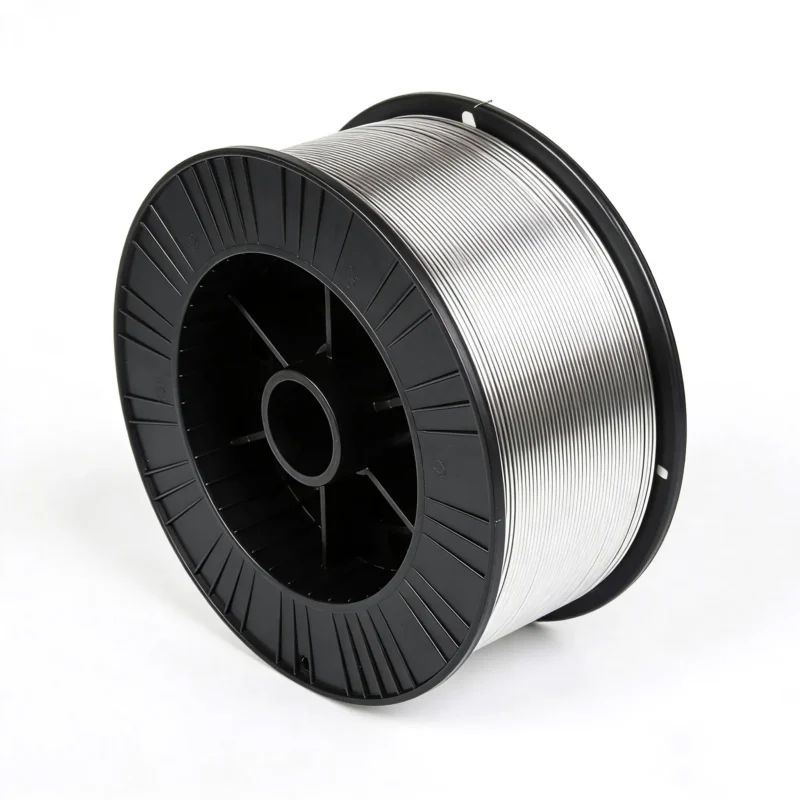
For distributors, ER4043 and ER5356 are often stocked together because customers weld different aluminum alloys. A balanced inventory can include popular diameters, strong spool packaging, clear labels, and export cartons that protect the wire during handling. Aluminum wire is sensitive to surface contamination, so buyers should pay attention to storage, packing integrity, and how the spool is protected before it reaches the welding shop.
When requesting a quote or preparing an order internally, list the exact grade, diameter, spool weight, order quantity, label requirement, and destination. If the customer welds multiple base materials, ask whether they need ER4043, ER5356, or both. This avoids sending the wrong wire for a job where cracking resistance, strength, or appearance is critical.

A clear aluminum MIG wire order should include the grade, diameter, spool weight, shielding gas practice if relevant, carton mark, and whether the customer needs single-grade or mixed-grade supply. For ER4043, the buyer should confirm that the application accepts the strength level and benefits from its smooth weld flow. For ER5356, the buyer should confirm the base alloy, strength requirement, and service condition before choosing it as the default aluminum wire.
For export buyers, packaging is especially important because aluminum wire surface condition affects feeding and weld quality. The spool should be protected from handling damage, moisture, dust, and deformation during transport. Clear labels for ER4043 and ER5356 also help warehouses avoid mixing grades that may look similar but perform differently in production.
Use the product link below to view the aluminum alloy MIG welding wire product family, including ER4043 and ER5356.

We will answer any questions you may have about our online sales.
We are ready to answer right now! for a free consultation.
Email:Trista55555@outlook.com
I consent to the processing of personal data and agree with the user agreement and privacy policy
